Ethical Fashion That Actually Means Something
That favorite hoodie you throw on for early dog walks probably says more about your values than any trend ever could. Ethical fashion lives in those everyday choices - the ones that ask who made this, what it is made from, and whether buying it supports the kind of world you actually want to live in. For a lot of us, clothing is no longer just about fit or color. It is about alignment. If you care about dogs, the outdoors, nature and the simple joy of living a little more intentionally, what you wear becomes part of that story. The challenge is that ethical fashion can sound reassuring while still being vague. Plenty of brands know the right words. Fewer are willing to show the harder details behind them.
What ethical fashion really means
At its core, ethical fashion is clothing made with more care - for people, animals, and the planet. That sounds simple, but the reality has layers. A shirt can use better fabric and still come from a factory with poor labor standards. A brand can pay fair wages and still overproduce, creating waste on a huge scale. It is rarely one thing that makes fashion ethical. It is the combination of choices.
The people side matters first. Ethical fashion should involve safe working conditions, fair pay, and respect for the people making the products. Garment workers are often hidden behind polished brand imagery, yet they are the reason any piece of clothing exists in the first place. If a company cannot speak clearly about who makes its products and under what conditions, that is worth paying attention to.
Then there is the environmental side. Fashion can be incredibly resource-heavy, from water use to chemicals to shipping to landfill waste. Better materials, lower-impact production methods, and smaller, more thoughtful product runs all help. So does designing pieces that last longer than one season.
For many shoppers, animal welfare is part of the picture too. That may mean avoiding certain materials, choosing brands with transparent sourcing, or supporting companies that care about animals beyond marketing. If your lifestyle already revolves around compassion, that concern does not stop at your closet door.
Why ethical fashion feels so complicated
If you have ever tried to shop more responsibly, you already know the frustration. Every label seems to promise something good. Sustainable. Conscious. Responsible. Eco-friendly. Sometimes those claims are meaningful. Sometimes they are just polished packaging.
Part of the confusion comes from the fact that no brand is perfect. Even genuinely values-led companies work within a system that has trade-offs. Organic cotton may be a better option than conventional cotton, but shipping across continents still has an impact. Recycled materials can reduce waste, but they are not a free pass if the product is poorly made and quickly discarded. Fair trade standards are powerful, but they do not automatically solve every issue in a supply chain.
That does not mean ethical fashion is fake. It means it requires honesty. The most trustworthy brands usually sound less perfect, not more. They tell you what they are doing, where they are still improving, and why certain choices were made.
The signs of ethical fashion worth trusting
A good place to start is transparency. Not performative transparency, but the kind that gives you enough information to make a real decision. What fabrics are being used? Where are products made? Is there any explanation of labor standards, certifications, or social impact? Can the brand tell a clear story without hiding behind buzzwords?
Materials matter, especially for casual everyday clothing. Organic cotton is a strong example because it can reduce reliance on harmful chemicals and support healthier farming systems. Fair trade fabrics add another layer by focusing on worker welfare and better labor practices. These details may sound small when you are buying a tee or hoodie, but they add up across every item in a wardrobe.
Longevity matters just as much. Ethical fashion is not only about how something is made. It is also about whether it deserves space in your life for more than a few months. A well-made sweatshirt you wear for years is often a better choice than several cheaper ones that lose shape, pill, or get tossed after one season.
And then there is purpose. Some brands build social impact into the business itself instead of treating it like an occasional campaign. When a company supports causes tied to its community, that tells you something about its priorities. For dog lovers, that could mean choosing apparel that not only reflects your identity but also gives back to animal welfare in a concrete way.
Ethical fashion is also about buying less, but better
This part is easy to overlook because shopping often gets framed as self-expression first. And it is. But ethical fashion asks a quieter question too: do I actually need this?
That does not mean you need a tiny wardrobe or a joyless one. It just means being more selective. Buy the tee that fits your life, not the one that only looks good in a product photo. Choose the hoodie you will reach for after hikes, road trips, and cold mornings with your dog. Pick colors and styles you will still want next year.
There is a freedom in that mindset. Instead of chasing constant newness, you build a closet with pieces that feel like you. For people who care more about meaning than hype, that tends to feel better anyway.
How ethical fashion fits an outdoor, dog-loving lifestyle
For this audience, ethical fashion is not an abstract idea. It connects naturally to daily life. If you spend time outside, you already see what environmental neglect looks like. Trails filled with trash, overheated summers, unpredictable weather, damaged local spaces - these things stop feeling theoretical when they shape the places you love walking, hiking, and exploring.
If you love dogs, the emotional side is just as real. Compassion tends to travel across categories. People who care deeply about rescue, adoption, and animal welfare often care about workers, waste, and responsible materials too. It is the same instinct, just applied more broadly. You want your choices to reflect kindness, not convenience at any cost.
That is why ethical fashion resonates so strongly in lifestyle communities built around connection. It is not about looking morally superior. It is about wanting your purchases to feel consistent with the way you already try to live.
A realistic way to shop more ethically
You do not need to replace your whole wardrobe overnight. In fact, that would miss the point. A more grounded approach usually works better.
Start by paying attention to the categories you wear most. For many people, that means graphic tees, hoodies, outerwear, hats, and everyday accessories. Those are the items worth upgrading first because they get the most use. When you buy in those categories, look for a mix of better materials, ethical production values, and durability.
It also helps to ask a few simple questions before you buy. Would I wear this often? Does the brand explain how it is made? Does the price reflect real quality and fairer production, or is it just premium branding? And maybe most important, does this feel like a piece I will still care about after the first excitement fades?
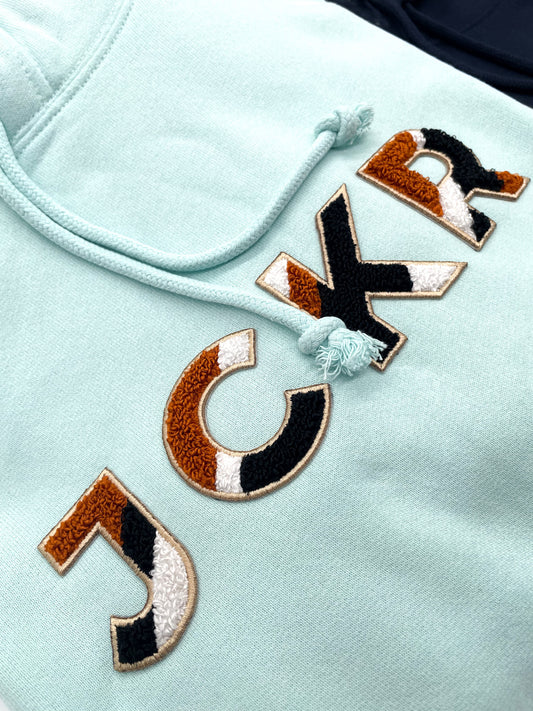
Sometimes the right choice is buying from a smaller brand with a clear mission instead of a giant retailer with vague promises. Smaller brands are not automatically better, but when they are close to their community and transparent about what they stand for, it is often easier to trust the intention behind the product. That is part of why brands like JCKR connect so strongly with people who want more than generic merch - they want clothing that reflects love for dogs, the outdoors, and a more thoughtful way to consume.
Ethical fashion is not about perfection
This may be the most important part. Ethical fashion should not become another impossible standard that leaves people feeling guilty every time they need a new jacket or replace a worn-out tee. Most of us are making choices within budgets, climates, family needs, and real-life limitations.
What matters is progress. Choosing one better-made sweatshirt instead of two disposable ones counts. Supporting a brand that uses organic cotton and fairer production counts. Buying from companies that give back to shelters, rescue efforts, or community causes counts. Asking better questions counts too. The goal is not to become a flawless shopper. The goal is to move away from mindless consumption and toward something more conscious, more durable, and more human. And maybe that is what ethical fashion really offers at its best - not a trend, but a way to wear your values without having to say a word. When your clothes are built with care and chosen with intention, they do more than look good. They feel right when you pull them on for the life you already love.