Why Do Ethical Brands Cost More? (Let’s talk about it honestly)
Why do ethical brands cost more? (Let’s talk about it honestly)
We’ve all had that moment :: You find a tee or a hoodie you really love… and then you see something that looks almost the same for half the price. And you kind of pause and think:
wait… why is this one so much more expensive?
It’s a fair question. Especially when we’re all trying to shop a bit more thoughtfully, without turning every purchase into a huge decision. The short answer? Ethical clothing is usually priced closer to its real cost. Not just the fabric or the label… but everything behind it — the people who made it, the way it was produced, the choices a brand makes long before it even reaches us.
When a brand tries to do things in a better way — for people, animals, and the planet — the numbers just change.

The “cheap clothes” thing… we’ve all gotten used to it
If we’re being honest, fast fashion kind of trained us to expect low prices. New drops all the time. Big discounts. Things that feel almost disposable.
And it became normal.
But the reality is… clothes are rarely actually cheap. They’re just cheap for us.
Somewhere else in the process, someone usually pays for that difference:
- workers earning very little
- heavy chemical use in farming
- pollution in communities
- clothes made to last one season ending up as waste
Ethical brands try to step away from that. They go slower. They choose better materials. They try to be more transparent. And none of that is free — it’s simply included in the price instead of hidden.
Materials alone can change everything
Even something as simple as cotton isn’t always… simple. Conventional cotton is cheaper because it’s produced at a massive scale, often with heavy pesticide use. But when we start looking at organic cotton or more responsible materials, things shift: stricter processes, smaller production, more care in sourcing. So yes, the cost goes up — but so does the intention behind it.
And from the outside, it might still just look like “a simple T-shirt." But simple doesn’t mean low effort. Sometimes it means more thought went into it.

Then there’s the human side (which really matters)
Every piece of clothing passes through a lot of hands: cutting, sewing, dyeing, printing, packing… And when something is very cheap, it’s worth asking how everyone in that chain was treated.
Ethical brands try to work with people who are paid fairly and work in safer conditions. And that part can feel uncomfortable, because we’re so used to “good deals.” But sometimes what feels expensive is just… closer to honest.
Smaller brands don’t play the same game
Big brands produce huge quantities. That means lower costs per piece, more negotiating power, cheaper everything. Smaller, independent brands (like ours) don’t work that way. We produce less — on purpose:
-
to avoid waste
-
to not overproduce
-
to keep things more controlled
But that also means each piece carries a bit more of the overall cost. So two hoodies might look similar online… but come from completely different systems.
There’s also a lot happening behind the scenes
We often ask brands to prove what they say — and that’s fair. But things like: certifications, audits, supply chain tracking…all cost time and money.
And even brands that don’t have every certification are often still putting in real effort to do things better. It’s just not always visible on the product page.
It’s also about how long things actually last
Fast fashion works best when we keep buying. Ethical brands usually hope for the opposite. That we wear something for years. That it becomes part of our routine.
That it’s the hoodie we grab for: morning walks, road trips, coffee runs, chilly evenings outside 🐶
That shift — from “buy often” to “wear often” — changes how we see value.
And sometimes… it’s about more than clothes
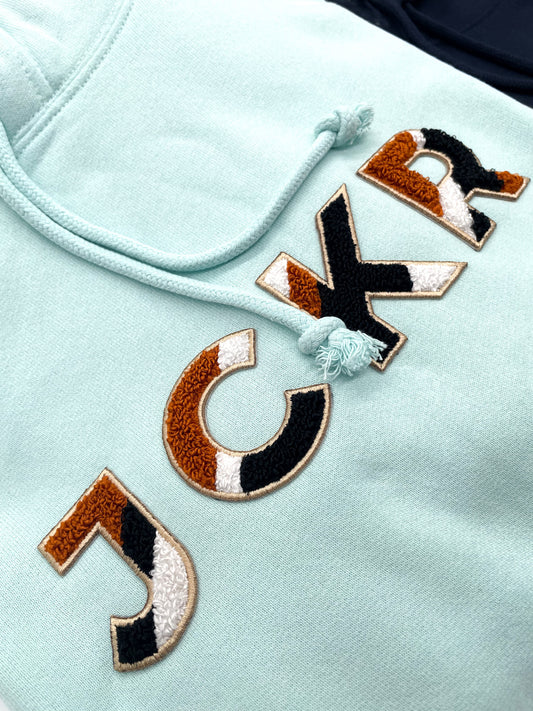
Some brands also choose to give back. Support shelters. Fund causes. Build something that goes beyond just selling products. At JCKR, for example, we donate 5% of every order to pet shelters in Italy.
It’s not an extra — it’s part of how we want to exist. And yes, choices like that also affect pricing. But they also make a purchase feel a bit more meaningful.
“But it’s online, shouldn’t it be cheaper?”
You’d think so, right? Selling directly does remove some middle layers — but it doesn’t remove: material costs, fair production, packaging choices, shipping and returns. and small-scale logistics. If anything, smaller brands often absorb a lot just to keep prices reasonable.
Also… expensive doesn’t always mean ethical
This part is important. A high price doesn’t automatically mean something was made better. Some brands charge more for image, trends, or positioning.
So it’s always worth looking a bit deeper: what materials are used, how transparent the brand is and what they stand for. It’s less about perfection… and more about alignment. Read about how WE think, here :: OUR MISSION.
So what are we really paying for?
At the end of the day, it’s not just about the price. It’s about what sits behind it.
Sometimes ethical clothing isn’t the cheapest option — and realistically, it’s not always accessible to everyone, all the time. And that’s okay to acknowledge. But when we can choose more intentionally, the idea of “value” shifts a bit.
We’re not just paying for a hoodie or a T-shirt. We’re also supporting: better practices, less harm and a way of doing things that feels a bit more thoughtful
Final thought
Maybe the question isn’t just “why does this cost more?” Maybe it’s also “what am I supporting when I choose this?”. Because when something feels good to wear, and good to stand behind, it stops being just a higher price.
👉 It becomes a different kind of value.